
The Wakatobi Model
How It Works
30 years of community-driven reef conservation in the heart of the Coral Triangle.
The Foundation
Conservation Through Community
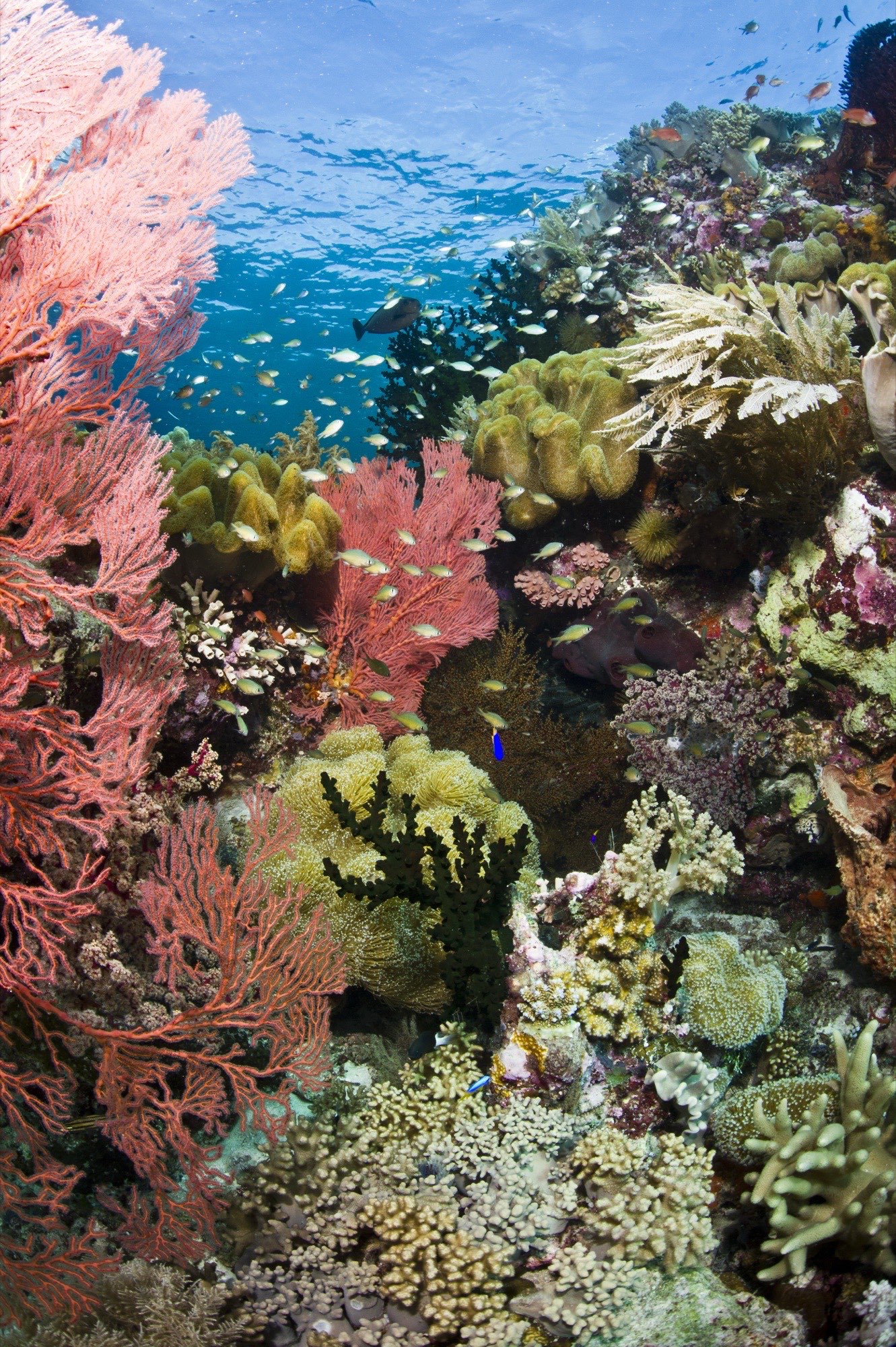
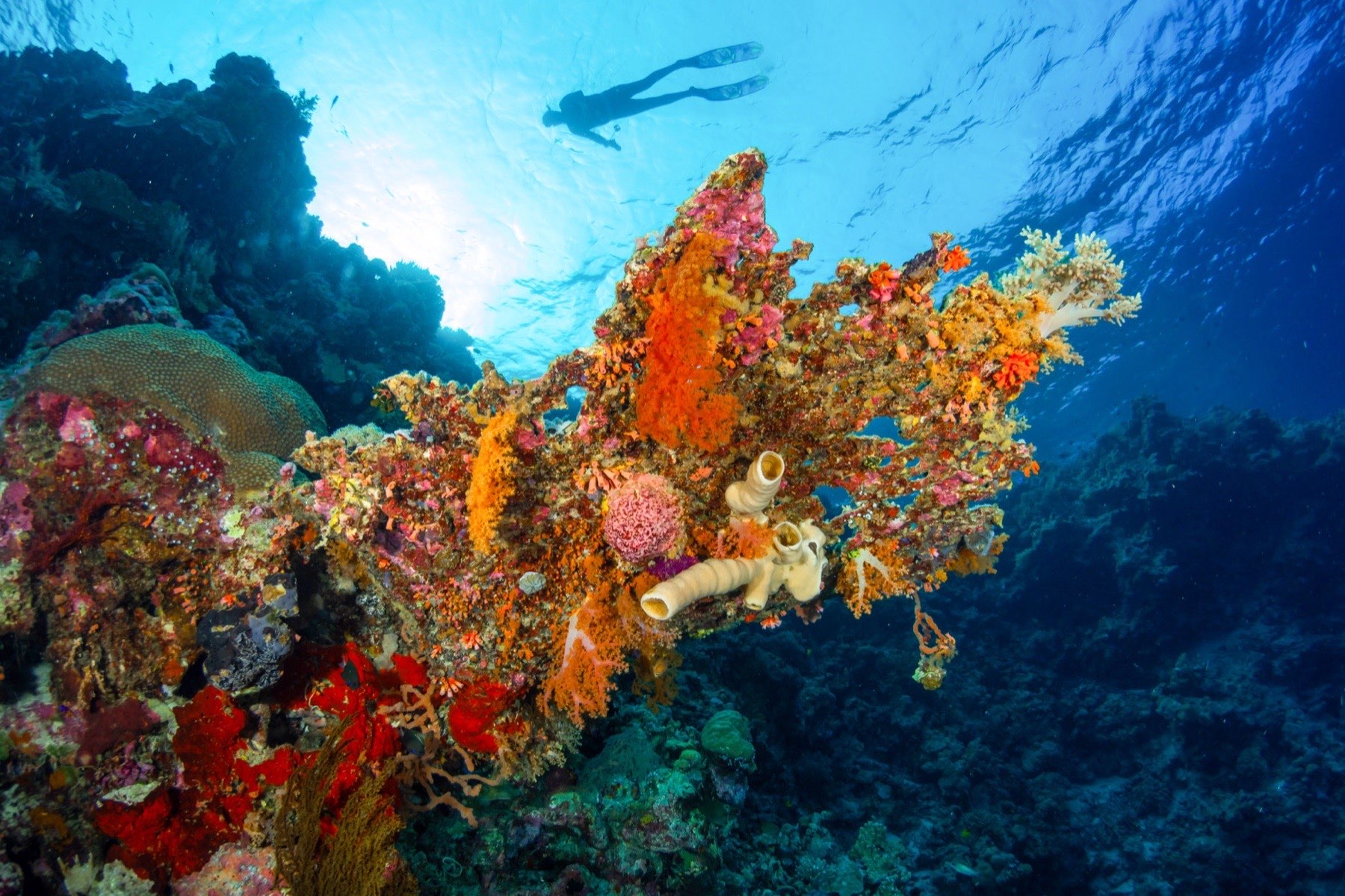
In Indonesia, at the heart of the Coral Triangle, lies Wakatobi UNESCO Marine Biosphere Reserve. Its namesake Swiss-run resort collaborates with local communities to preserve the area's reefs and attract discerning divers with exceptional biodiversity.
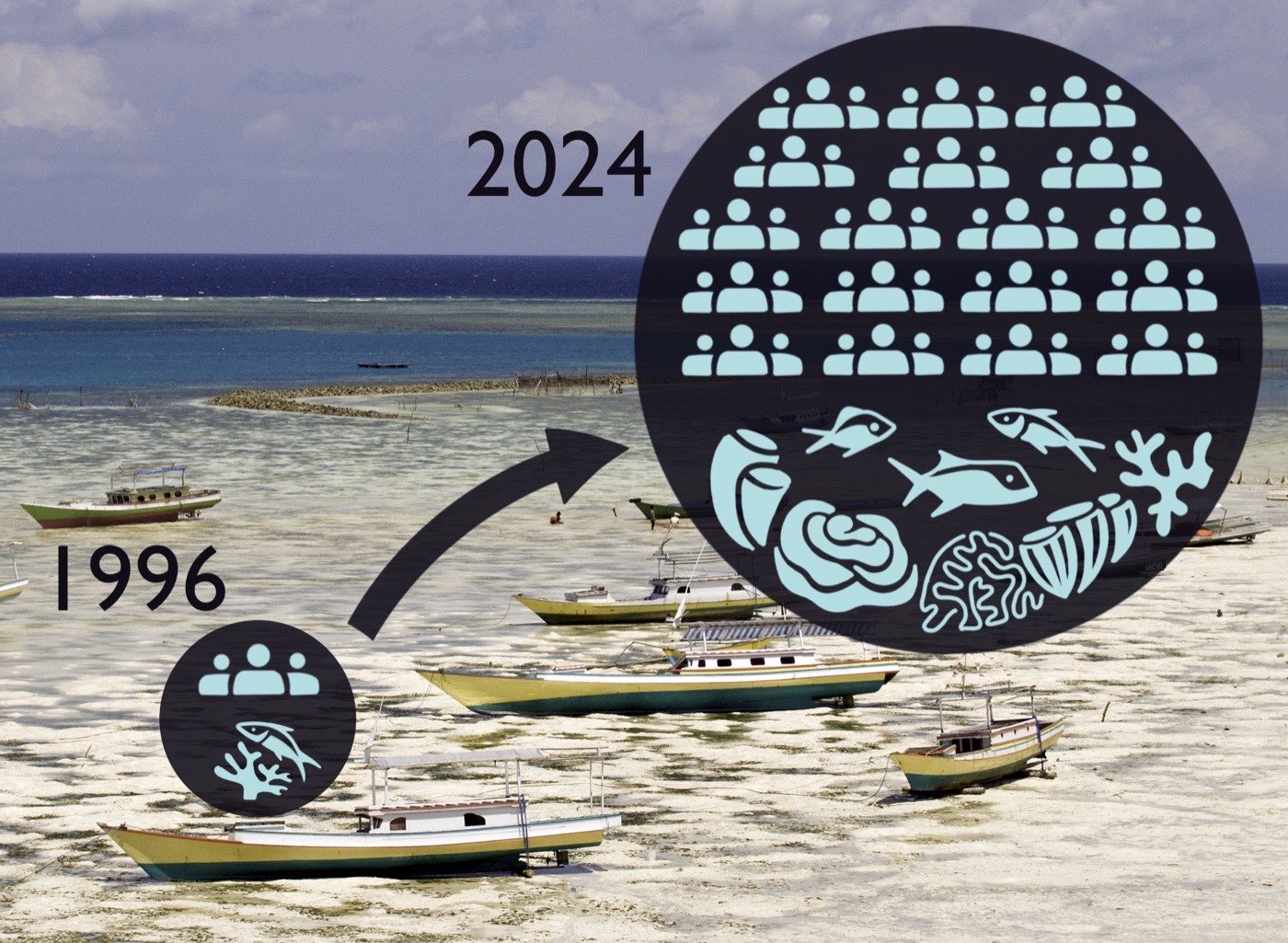
Conservation began in 1996 with the first reef lease agreement: one village agreed to stop fishing a short stretch of reef directly in front of the resort, in exchange for a monthly lease payment — a simple shift that created a foundation for long-term protection.
Today, the resort provides conservation payments to 18 villages, increasing reef-linked income from cents to dollars per square metre of protected reef each year. Local communities gain financially from managing their marine resources sustainably, making conservation the most profitable choice.
Scaling Impact
Expanding Protection
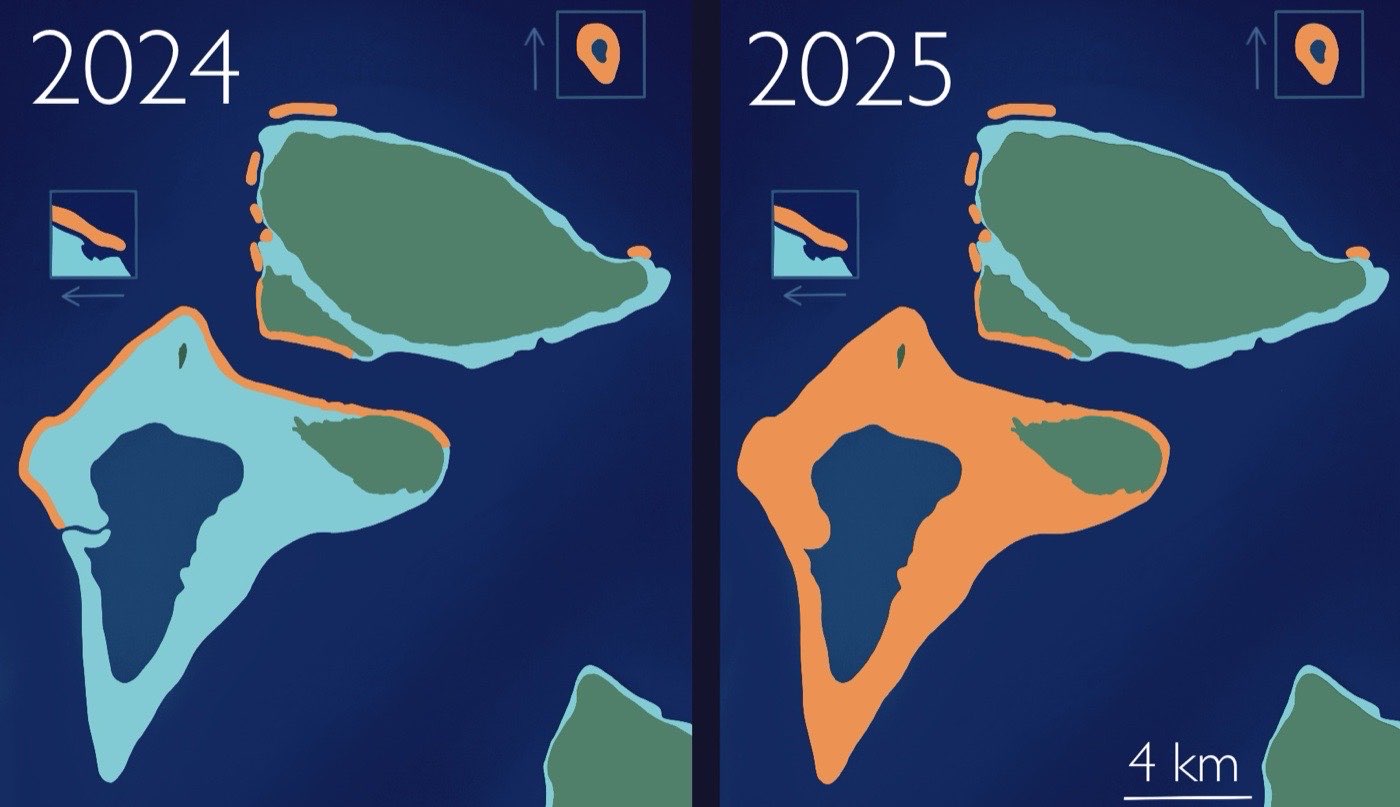
Throughout 2025, Wakatobi expanded reef protection to include the entirety of Lintea atoll, with a ~25 km perimeter. This increases total length of reef protected from 35 km to over 60 km.
This expansion involved extending community agreements, implementing new patrols to cover the new area, and the construction of three new permanent lookout posts. The patrol force is now made up of 160 former fishermen.
Reefonomics has already charted a course to the next stage: full protection of Karang Kaledupa atoll, targeting 185 km of protected reef.
The Mechanism
Reef Cells
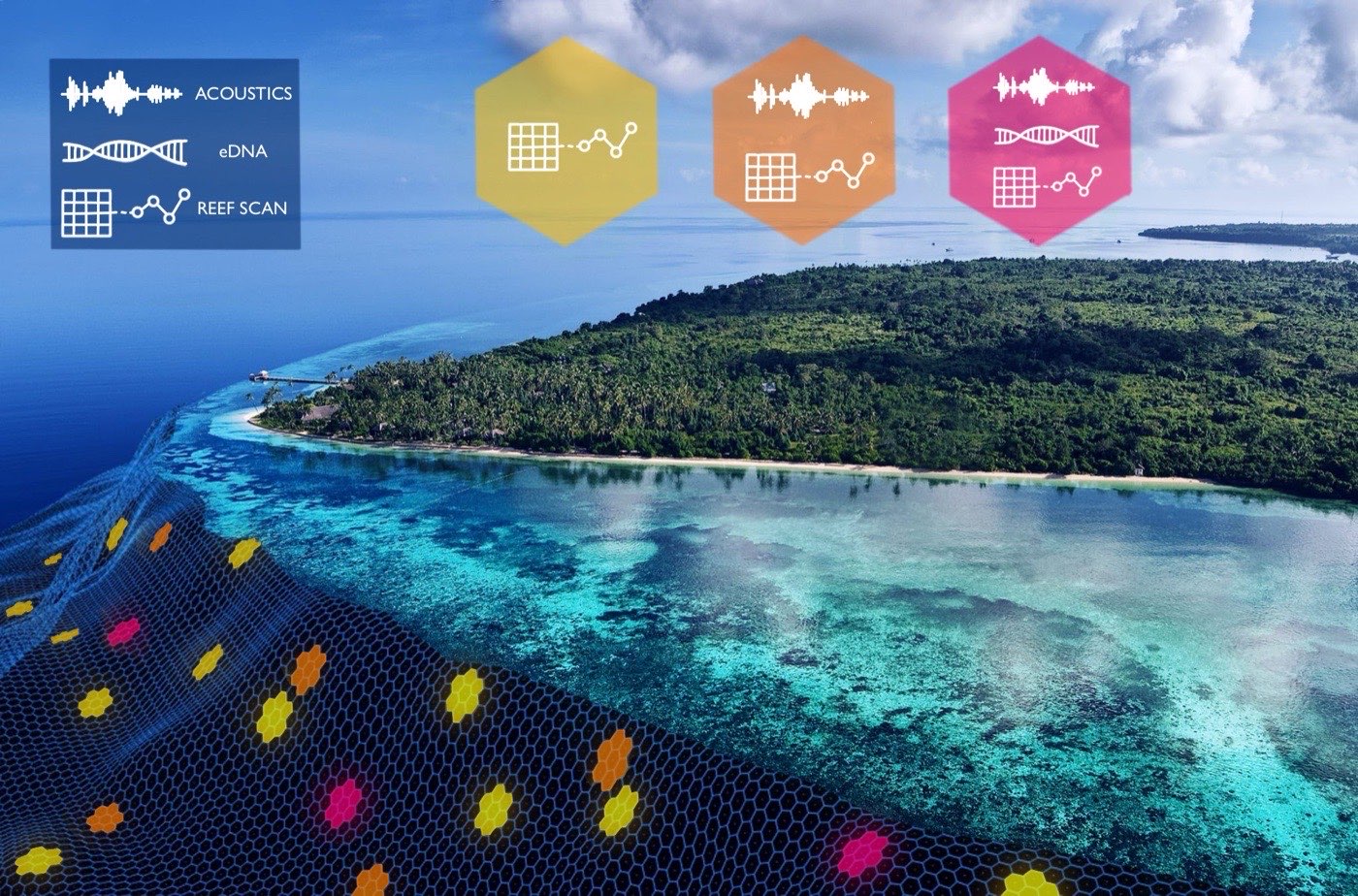
Reefonomics' 3D reef tracks ecological outcomes across sensory modalities. The digital reef is represented as a matrix of hexagonal reef cells. Cells within the matrix are selected randomly in turn for auditing, and results are uploaded to the reef map app for data visualisation and exploration.
Each reef cell is precisely mapped and continuously monitored — enabling measurable, scalable contributions to high-integrity conservation.
Explore the 3D Reef Map →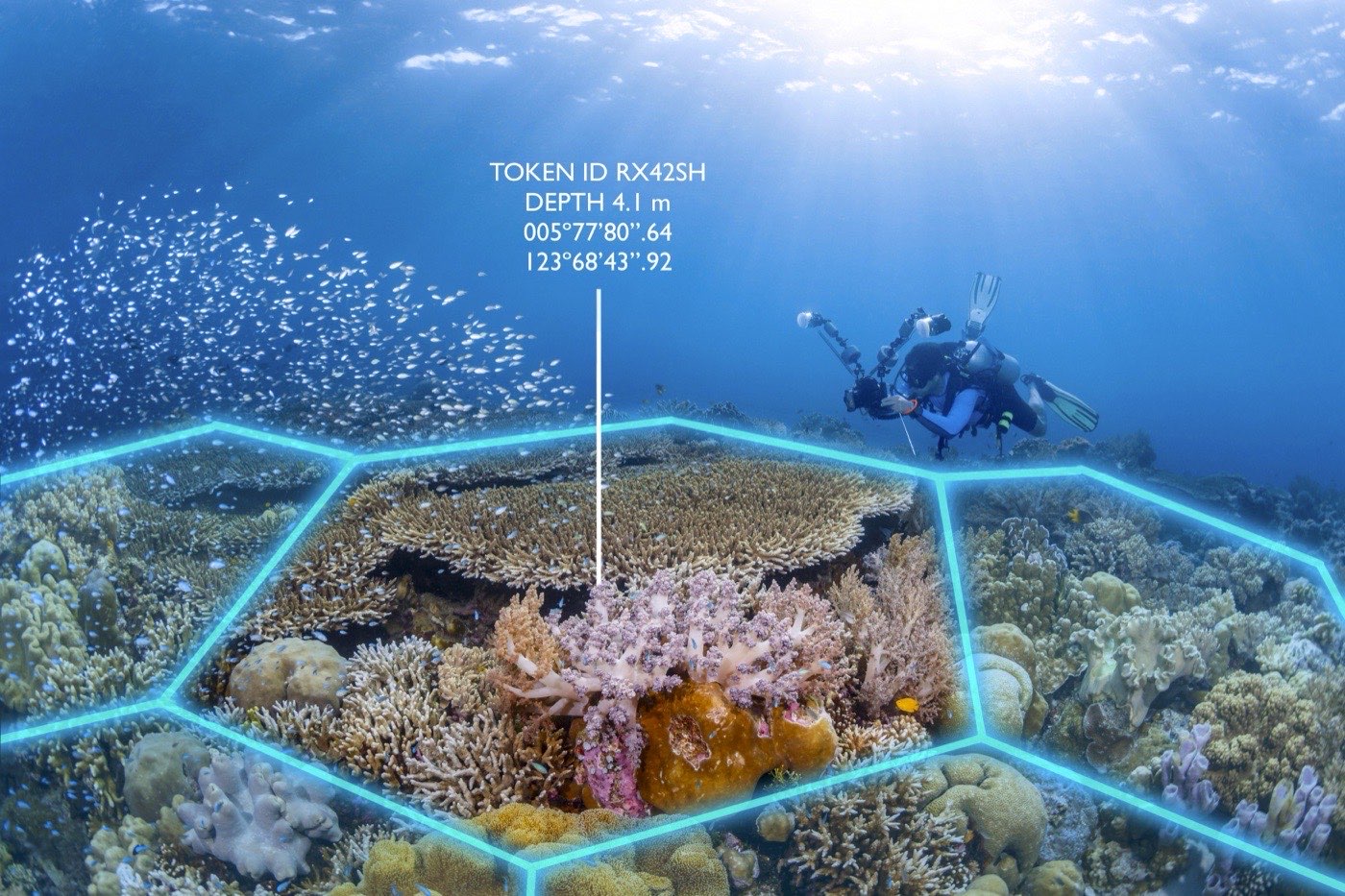
Below the Surface
The Monitoring Programme
In designing the reef health monitoring programme, the goal was to devise a suite of techniques that could be deployed at scale to reliably measure ecological outcomes.
Reef Scan
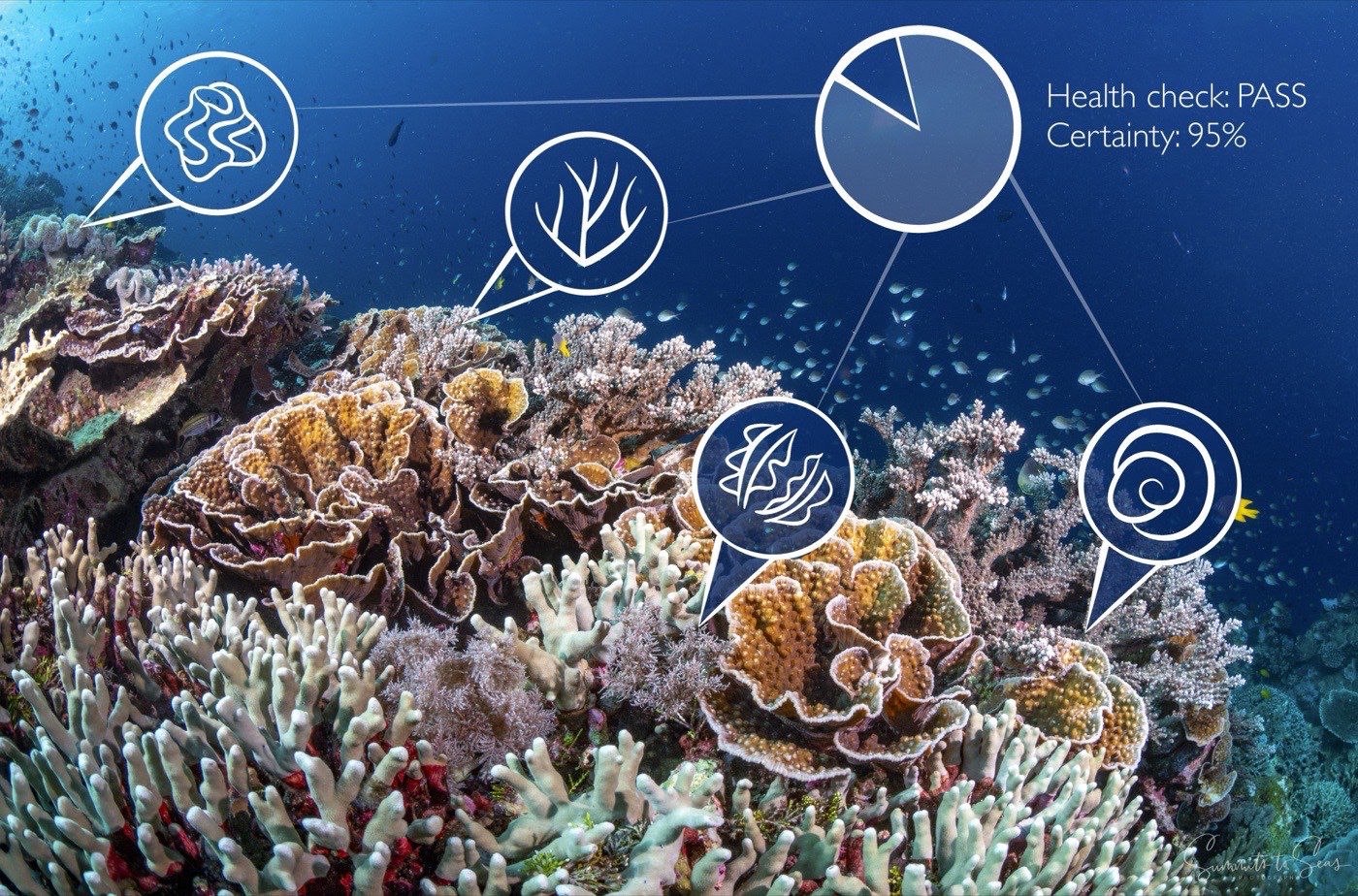
Photo surveys analysed by a machine learning model trained on 1,100 square metres of manually classified reef. Over 90% classification accuracy across 28 habitat categories.
Reef Song
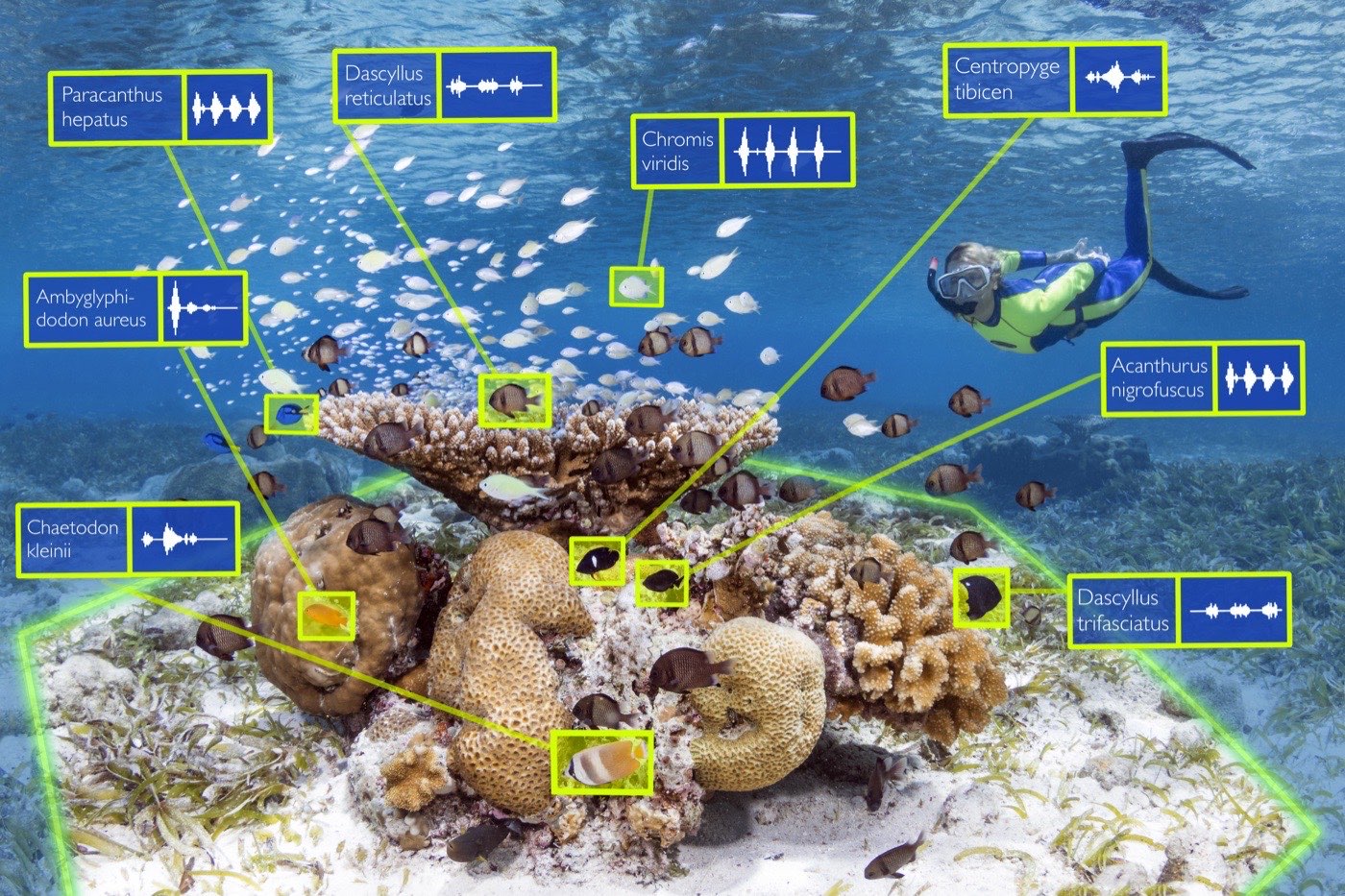
Hydrophones deployed on the reef surface record the acoustic landscape. A habitat with higher fish diversity is characterised by more vocalisations and chorus events.
eDNA Analysis
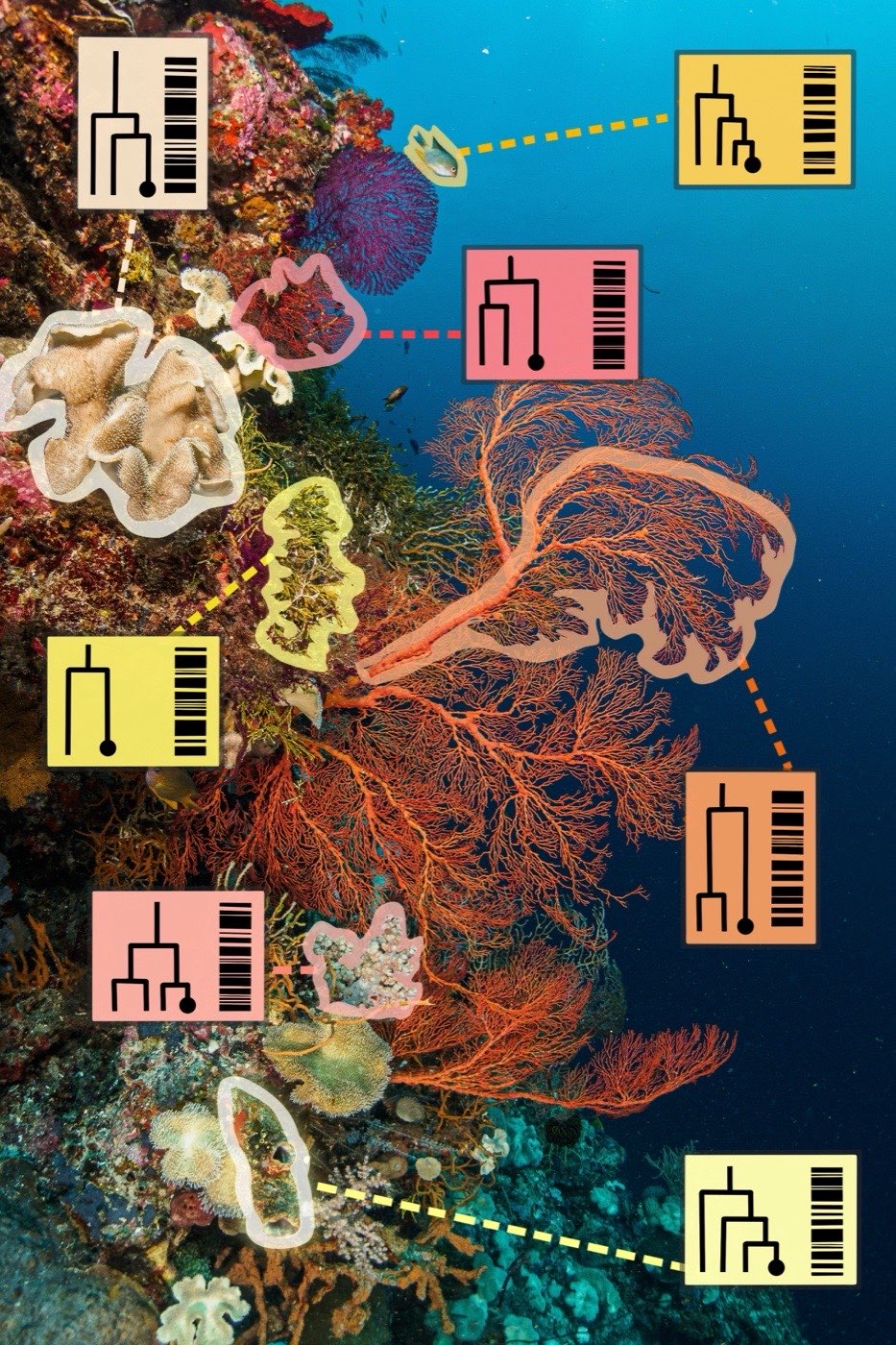
Reef-dwelling organisms shed genetic material into surrounding seawater. This environmental DNA can be sequenced to produce a catalogue of identified species — including cryptic species not seen before.
Ocean Weather
Real-time chemical and physical seawater monitoring tracks pH, dissolved oxygen, and CO₂ levels — providing a continuous read on the reef's metabolic health and environmental baseline.
The Evidence
Protection Works
Benthic surveys reveal significantly healthier reef inside than outside the protected area. More than double the proportion of habitats were unhealthy in non-protected areas compared to within the protected area.
Protected Areas
Healthy habitat
373 reef cells sampled
Non-Protected Areas
Healthy habitat
55 reef cells sampled
Threatened Coral Species
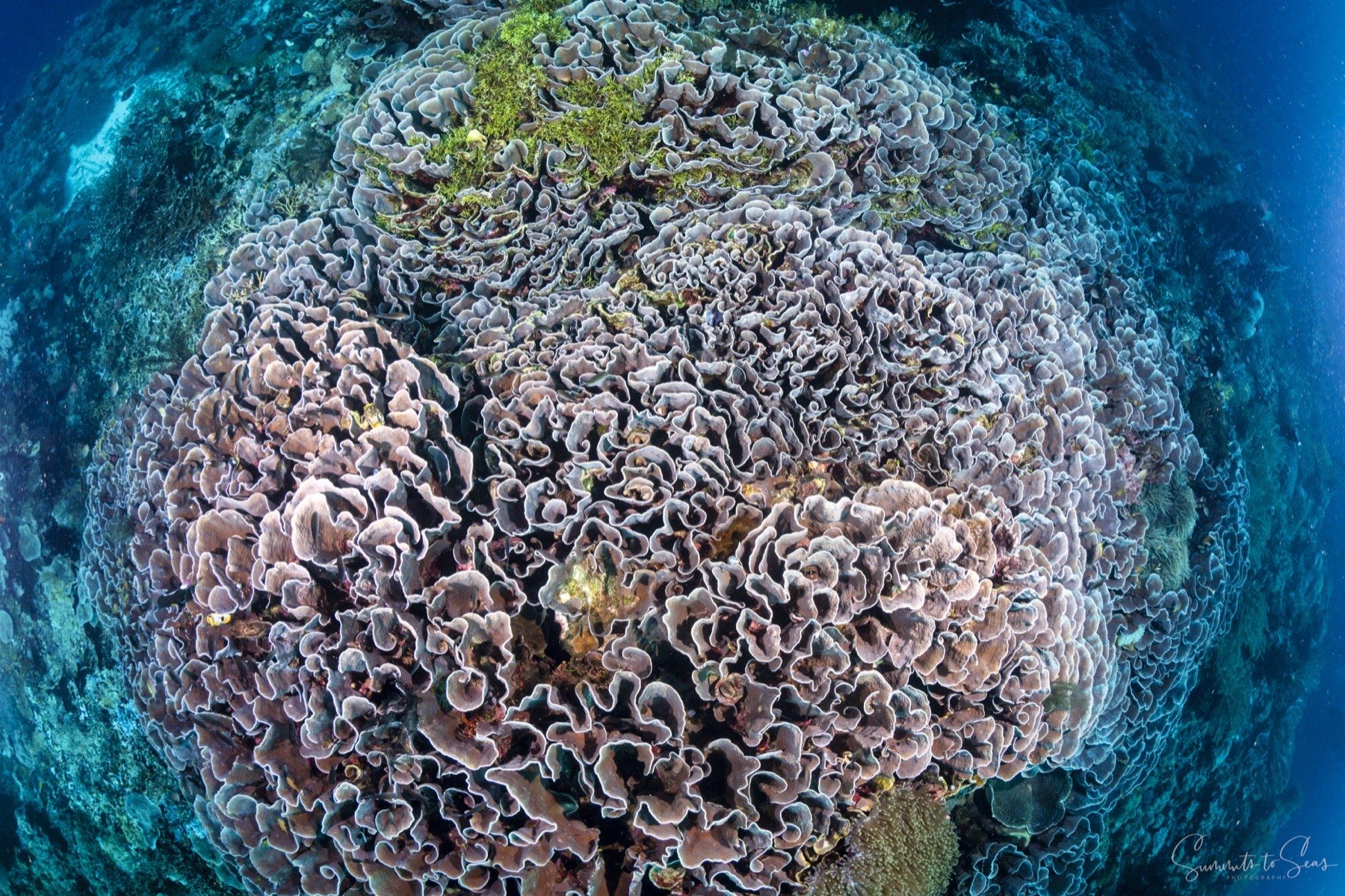
All 7 threatened and vulnerable coral species were detected in protected areas. Only 2 were found outside.
Wakatobi is likely an important local safe haven for coral species vulnerable to human disturbance.
Interactive Tools
Explore the Reef
Navigate Wakatobi's protected reef system and contribute to the monitoring effort.
Want to understand more?
Every kilometre of reef protected involves community agreements, ecological mapping, continuous monitoring, and around-the-clock patrolling.
Explore Partnerships